
Accompagnements ramen, gyoza & yakitori : composer le repas japonais parfait
Un bol de ramen se suffit presque a lui-meme. Mais au Japon, il ne voyage jamais tout a fait seul : autour du bol gravitent des raviolis dores, des brochettes grillees, des feves de soja et de petites bouchees fraiches qui transforment un simple plat de nouilles en veritable festin. Ce guide passe en revue les meilleurs accompagnements a servir avec un ramen — gyoza, yakitori et bien d'autres — pour vous aider a composer une table equilibree, gourmande et fidele a l'esprit japonais.
La philosophie du repas japonais partage
Dans la culture culinaire japonaise, un repas se pense rarement comme un plat unique. Meme le ramen, aussi complet soit-il, s'inscrit dans une logique de tablee ou plusieurs petites preparations dialoguent entre elles. Cette approche porte un nom d'esprit : l'harmonie des saveurs, des textures et des temperatures. Un bouillon chaud et moelleux appelle presque naturellement un contrepoint croustillant ; une nouille souple reclame le mordant d'une brochette grillee.
C'est pourquoi les gyoza et les yakitori ne sont pas de simples « extras » : ils prolongent l'experience du ramen et l'equilibrent. Dans les izakaya et les echoppes de nouilles du Japon, on commande volontiers une assiette de raviolis ou deux brochettes a partager, que l'on picore avant et pendant le repas. Comprendre cette philosophie du partage, c'est deja savoir composer une table reussie.
Les gyoza : le croustillant qui accompagne le bol
Le gyoza est sans doute l'accompagnement le plus emblematique du ramen. Ce ravioli japonais, herite du jiaozi chinois puis reinvente au Japon, se distingue par sa cuisson unique dite yaki-gyoza : on dore une face dans une poele brulante, puis on termine a la vapeur sous un couvercle. Le resultat est un contraste saisissant entre une base caramelisee et croustillante et un dessus moelleux et translucide.
Servi a cote d'un ramen, le gyoza remplit une fonction precise : il apporte le croquant qui manque au bol de nouilles. On le trempe dans une sauce ponzu citronnee, dont l'acidite reveille le palais entre deux gorgees de bouillon corse. Poulet et chou, poulet et gingembre, crevette ou version vegetarienne aux shiitake : chaque farce offre une nuance differente, mais toutes partagent cette meme promesse de texture.
Pour un accompagnement reussi, comptez trois a cinq pieces par personne en entree. C'est suffisant pour ouvrir l'appetit sans saturer avant l'arrivee du ramen. Un plieurage soigne garantit que le jus reste emprisonne dans la farce : c'est ce jus qui, en se melant a la sauce, fait tout le plaisir de la premiere bouchee.


Les yakitori : les brochettes grillees a cote du ramen
Si le gyoza joue la carte du croustillant, le yakitori apporte celle du grille. Le mot signifie litteralement « oiseau grille », et designe ces brochettes de poulet cuites sur les pics de bambou, retournees plusieurs fois pour obtenir une caramelisation uniforme. Un exterieur legerement croustillant, un interieur juteux : la maitrise du feu fait toute la difference.
Comme accompagnement du ramen, le yakitori seduit par sa variete. Le momo (cuisse de poulet) reste tendre et savoureux ; le kawa (peau grillee) est un plaisir croustillant pour les connaisseurs ; le tsukune (boulette assaisonnee au gingembre) plait aux petits comme aux grands ; le negima alterne poulet et poireau fondant. Pour les vegetariens, les brochettes de legumes grilles — shiitake, poivron, courgette, oignon doux — offrent la meme sensation de grille.
Deux ecoles d'assaisonnement s'affrontent, et toutes deux se marient au ramen : la sauce tare, un glacage sucre-sale a base de soja, mirin et sake, ou le sel simple releve d'un trait de yuzu. Une brochette de chaque style, posee a cote du bol, suffit a enrichir le repas sans le surcharger.
Tempura, nems et fritures : le contraste de texture
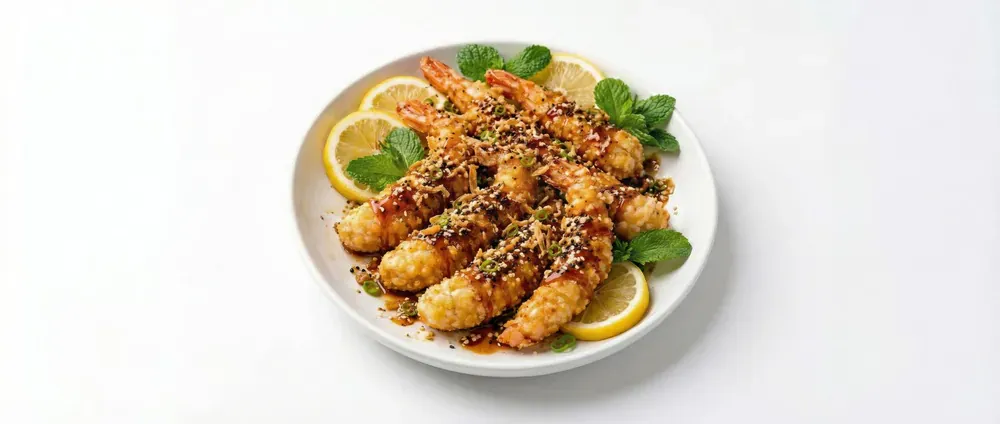
Au-dela des gyoza, l'univers de la friture japonaise offre de superbes accompagnements pour le ramen. Les tempura de crevettes, enrobees d'une pate legere et aerienne, apportent une croustillance delicate qui contraste avec le moelleux des nouilles. Frites a la minute, elles se degustent tant qu'elles sont chaudes, avec un simple trait de citron ou une sauce a tremper.
Dans la meme famille, le karaage — poulet marine puis frit — et les nems croustillants completent la palette du croquant. Ces bouchees ont un role d'entree : on les partage au centre de la table, avant que le ramen n'arrive fumant. Elles reveillent l'appetit et installent d'emblee ce jeu de textures qui caracterise un bon repas japonais.
Un conseil : reservez les fritures au debut du repas. Elles perdent de leur superbe en refroidissant, alors que le bouillon du ramen, lui, reste genereux jusqu'a la derniere goutte. Une entree croustillante par personne est l'ideal pour ouvrir le bal sans couper l'appetit.
Salades, edamame et legumes : la note fraiche
Un repas autour du ramen ne serait pas complet sans une respiration fraiche. Face a la richesse du bouillon et au grille des brochettes, les accompagnements vegetaux jouent le role de contrepoint. Les edamame, ces feves de soja cuites a la vapeur et saupoudrees de sel, se picorent entre deux bouchees et nettoient le palais avec leur cote herbace.
Les salades japonaises — chou emince facon sunomono, salade de carottes au sesame, ou salade d'algues wakame — apportent croquant et acidite. Leur vinaigrette legere, souvent a base de vinaigre de riz, tranche avec le gras des fritures et relance l'appetit. Les tsukemono, ces legumes marines croquants, jouent la meme partition d'acidite et de fraicheur.
Ces accompagnements frais ont un avantage : ils s'inscrivent dans la duree du repas. On les grignote du debut a la fin, sans contrainte de temperature, pour equilibrer chaque bouchee grasse ou grillee. C'est le secret d'une table qui ne lasse jamais.

Riz, gohan et petits donburi : les feculents
Le ramen apporte deja sa dose de nouilles, mais certains accompagnements a base de riz completent le repas quand l'appetit est grand. Servis en petites portions, ils accueillent le tare des brochettes et adoucissent un bouillon corse. Voici trois classiques a marier avec votre bol.
Riz vapeur (gohan)
Un bol de riz japonais nature, legerement collant, qui absorbe le tare des brochettes et adoucit un bouillon corse. Le compagnon le plus discret et le plus utile.
Neutre · ReconfortantEdamame au sel
Des feves de soja cuites a la vapeur et saupoudrees de fleur de sel. On les picore entre deux bouchees : leur cote vegetal nettoie le palais et fait patienter avant le plat.
Vegetal · A picorerTsukemono
Legumes marines et croquants (radis, chou, concombre). Leur acidite tranche avec la richesse du ramen et relance l'appetit a chaque bouchee.
Acidule · CroquantTare, ponzu et condiments : la touche finale
Les meilleurs accompagnements se revelent grace a leurs sauces. Trois condiments structurent l'ensemble et meritent qu'on s'y attarde. La sauce tare, d'abord : un glacage japonais sucre-sale confectionne a partir de sauce soja, de mirin, de sake et de sucre, reduit lentement jusqu'a une consistance sirupeuse. C'est elle qui nappe les yakitori et les tsukune d'un vernis brillant et gourmand.
Le ponzu, ensuite : un condiment citrus a base de soja, de jus de yuzu et de vinaigre de riz. Sa fraicheur acidulee sublime les gyoza et coupe la richesse des fritures. Enfin, le sel fin, releve d'un zeste ou d'un trait de yuzu, reste l'assaisonnement le plus pur pour apprecier la qualite brute d'une brochette de peau croustillante ou d'un legume grille.
Sur une table de ramen, disposer ces trois condiments permet a chacun d'ajuster ses accompagnements a son gout. On alterne le sucre-sale de la tare, l'acidulite du ponzu et la minerale simplicite du sel : trois registres qui, a eux seuls, dessinent tout l'equilibre de la cuisine japonaise.
Methode
Composer un assortiment equilibre
La regle d'or est simple : le ramen est un plat complet, donc les accompagnements doivent le completer, pas le concurrencer. Pour un convive, un a deux accompagnements suffisent. Pour une tablee, raisonnez par contrastes : une entree croustillante (gyoza ou tempura), une brochette grillee (yakitori) et une note fraiche (edamame ou salade) couvrent l'essentiel des textures.
Pensez aussi a la temperature et au moment : les fritures se degustent chaudes, en debut de repas ; les brochettes accompagnent le coeur du repas ; les vegetaux frais se picorent du debut a la fin. En variant croustillant, grille et fraicheur, vous obtenez une table japonaise coherente, sans jamais alourdir le bol de ramen qui reste la vedette.
Les boissons qui accompagnent le repas
Un repas de ramen accompagne de gyoza et de yakitori appelle des boissons qui prolongent le jeu des saveurs. Le the vert, sobre et legerement amer, nettoie le palais entre les bouchees grasses et rehausse l'umami du bouillon. Servi chaud, il fait echo a la temperature du plat ; glace, il apporte une fraicheur bienvenue en ete.
Cote sodas, les limonades au yuzu ou les boissons petillantes citronnees s'accordent parfaitement avec le croustillant des fritures et l'acidite du ponzu. Leur effervescence allege le repas et relance l'appetit. Pour les amateurs, une biere japonaise legere et desalterante accompagne traditionnellement les brochettes dans les izakaya.
L'idee reste la meme que pour les accompagnements solides : chercher l'equilibre. Une boisson fraiche ou legerement amere contrebalance le gras et le grille, et laisse le palais disponible pour apprecier chaque bouchee. C'est ce souci constant de l'harmonie qui fait la coherence d'une table japonaise.
Les accompagnements chez Yoki Ramen a Melun
Chez Yoki Ramen, au 31 Rue du General de Gaulle a Melun, nous concevons nos accompagnements comme le prolongement naturel de nos bols. Nos gyoza sont plies a la main chaque jour, nos brochettes preparees avec des viandes fraiches, et nos sauces tare et ponzu confectionnees sur place. L'objectif : offrir a chaque convive une table complete, du croustillant a la fraicheur.
Nos accompagnements dialoguent avec l'ensemble de la carte. Un assortiment de gyoza et de yakitori se marie aussi bien avec nos ramen authentiques qu'avec nos sushis et makis ou nos poke bowls. Retrouvez l'ensemble de nos preparations sur notre carte complete.
Pour aller plus loin dans l'art d'associer les plats, decouvrez notre guide pour choisir son ramen, ou plongez dans l’histoire du ramen de Tokyo a Melun.
FAQ
Questions frequentes sur les accompagnements du ramen
Quels accompagnements servir avec un ramen ?+
Les grands classiques sont les gyoza (raviolis japonais poeles) et les yakitori (brochettes grillees), auxquels s'ajoutent les edamame, une petite salade de chou, du riz vapeur, des tempura de crevettes ou quelques tsukemono. L'idee est d'apporter du croustillant, du grille et de la fraicheur autour d'un bol de nouilles qui reste, lui, moelleux et chaud.
Gyoza ou yakitori : que choisir en accompagnement ?+
Les deux se completent. Le gyoza offre un contraste de texture immediat, avec sa base doree et sa farce fondante, tandis que le yakitori apporte le gout du grille et le glacage sucre-sale de la sauce tare. Pour un repas a deux, une portion de chaque suffit a varier les plaisirs sans alourdir le bol de ramen.
Combien d’accompagnements commander avec son ramen ?+
Comme le ramen est un plat complet, un a deux accompagnements par personne suffisent en general. Pour un repas convivial a partager, comptez une entree croustillante (gyoza ou tempura), une brochette et un accompagnement frais (edamame ou salade) pour deux a trois convives.
Les gyoza et yakitori conviennent-ils aux vegetariens ?+
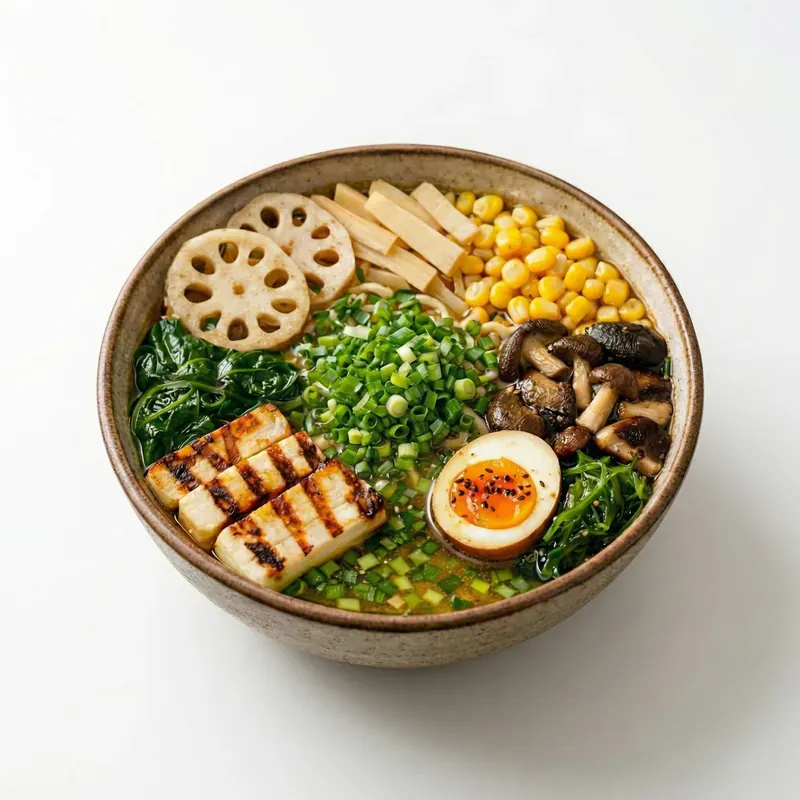
Oui, il existe des gyoza vegetariens aux champignons shiitake, tofu et chou, ainsi que des brochettes de legumes grilles (poivrons, courgettes, oignon doux, shiitake). Associes a des edamame et a un riz vapeur, ils composent un assortiment vegetarien complet autour d'un ramen au tofu.
Faut-il manger les accompagnements avant ou pendant le ramen ?+
Au Japon, l'ordre est souple. On commence souvent par les entrees croustillantes (gyoza, tempura) tant qu'elles sont chaudes, puis on alterne les brochettes et les bouchees de ramen. Les accompagnements frais comme les edamame ou les tsukemono se picorent tout au long du repas pour nettoyer le palais.
Quelle sauce accompagne le mieux les gyoza et les yakitori ?+
Le gyoza se marie a merveille avec une sauce ponzu citronnee, fraiche et acidulee. Le yakitori se decline lui en deux ecoles : la sauce tare, un glacage sucre-sale a base de soja et de mirin, ou simplement le sel avec un trait de citron yuzu. Ces trois condiments couvrent l'essentiel des accords.
Pour aller plus loin
Envie de passer de la theorie a l'assiette ? Explorez notre selection de raviolis poeles et de brochettes grillees, prepares chaque jour a Melun.