
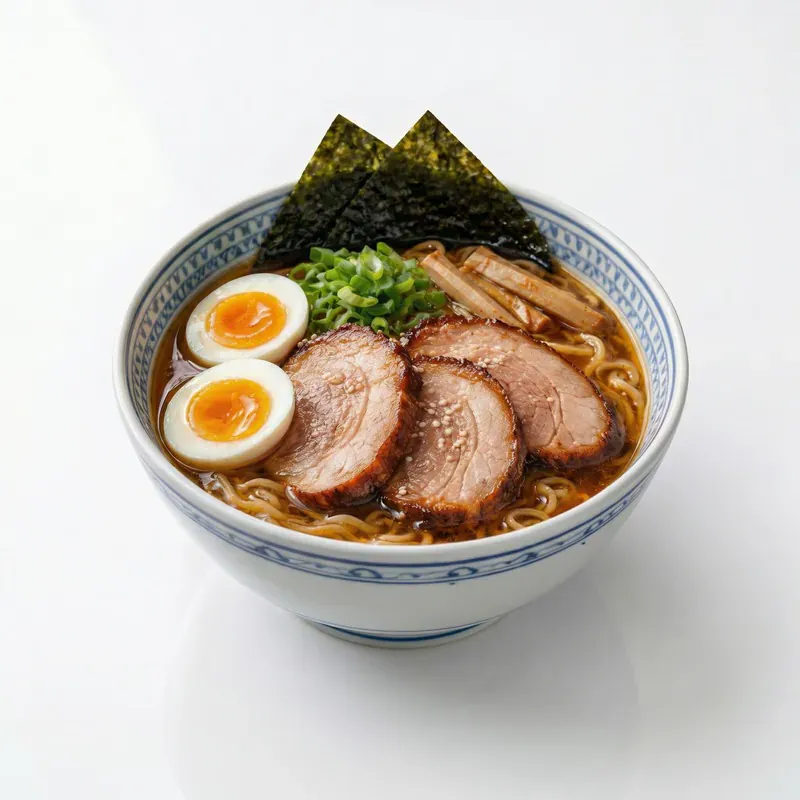
Ramen tonkotsu miso shoyu : le guide complet des grands bouillons
Trois noms reviennent sur toutes les cartes de ramen : tonkotsu, miso, shoyu. Derriere ces mots japonais se cachent trois univers de saveurs, trois regions et trois manieres de concevoir un bouillon. Ce ramen tonkotsu miso shoyu guide vous emmene au coeur de chaque style — ses origines, son gout, sa texture, ses nouilles et ses garnitures — pour que vous ne lisiez plus jamais un menu de la meme facon.
Aux origines : du shoyu de Tokyo au tonkotsu de Hakata
Le ramen n'est pas un plat fige : c'est une histoire de regions, de migrations et d'adaptations. Le premier style largement diffuse fut le shoyu, apparu a Tokyo au debut du vingtieme siecle, dans les echoppes de nouilles inspirees de la cuisine chinoise. Son bouillon clair, parfume a la sauce soja, incarnait deja l'esprit du ramen : un plat de rue reconfortant, rapide et nourrissant, accessible a tous.
Puis chaque region a imprime sa marque. A Sapporo, sur l'ile d'Hokkaido, le froid mordant a fait naitre le miso ramen : un bouillon corse, enrichi de pate de soja fermentee, pense pour rechauffer et rassasier durablement. Plus au sud, a Hakata, dans la ville de Fukuoka, les cuisiniers ont pousse la cuisson des os a l'extreme pour obtenir le tonkotsu, ce bouillon laiteux et cremeux devenu culte bien au-dela du Japon.
Comprendre cette geographie, c'est saisir que tonkotsu, miso et shoyu ne sont pas de simples parfums interchangeables : ce sont trois philosophies du bouillon, nees de climats et de terroirs differents. Le reste de ce guide detaille chacune d'elles, pour vous aider a reconnaitre — et a choisir — le style qui vous ressemble.
Bouillon et tare : l'anatomie d'un ramen
Avant de comparer les styles, il faut demeler une confusion frequente. Les mots tonkotsu, miso et shoyu ne designent pas exactement la meme chose. Le tonkotsu decrit un type de bouillon — un fond d'os longuement mijote. Le miso et le shoyu, eux, designent d'abord un tare, cet assaisonnement concentre depose au fond du bol avant que le bouillon ne soit verse.
Le tare est l'ame secrete du ramen. C'est une base salee et aromatique — a la sauce soja pour le shoyu, a la pate de soja fermentee pour le miso, au sel pour le shio — qui donne au bol son identite et son nom. Un meme bouillon de volaille peut ainsi devenir un shoyu limpide ou un miso corse selon le tare choisi. C'est pourquoi on croise parfois des « tonkotsu-shoyu » : un bouillon d'os assaisonne d'un tare a la sauce soja.
Retenir cette mecanique change tout. Face a une carte, vous savez desormais lire deux informations distinctes : la nature du bouillon (clair ou cremeux, leger ou dense) et son assaisonnement (soja, miso, sel). Cette grille de lecture suffit a decrypter n'importe quel menu de ramen, en France comme au Japon.
Tonkotsu : le bouillon cremeux du Kyushu
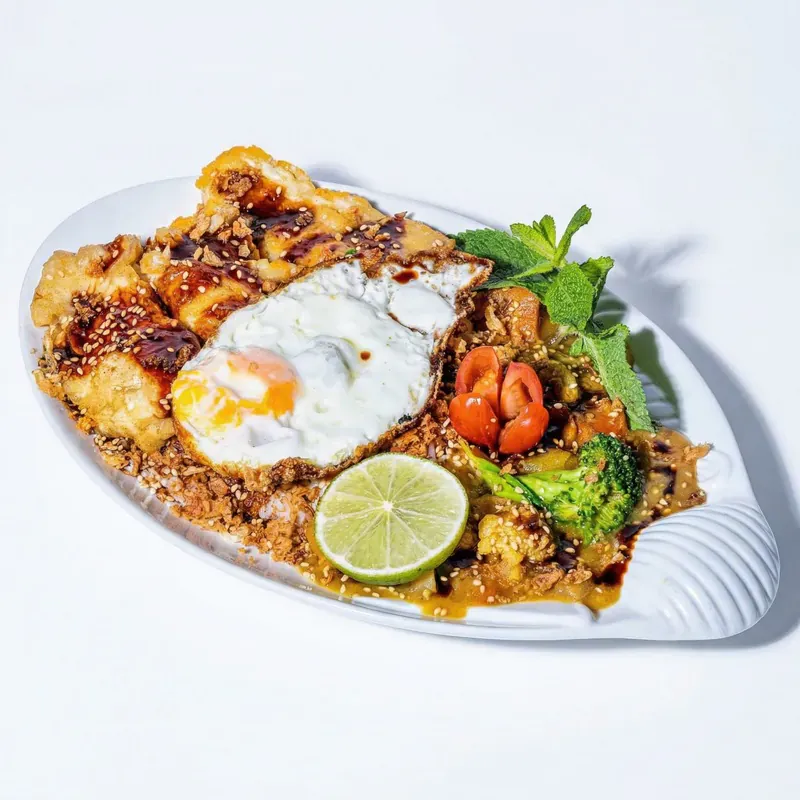
Le tonkotsu est le style le plus spectaculaire, celui qui a fait connaitre le ramen dans le monde entier. Son secret tient en un mot : le temps. Des os mijotent pendant de longues heures, a gros bouillons, jusqu'a ce que le collagene se dissolve et que les graisses s'emulsifient. Le liquide devient alors opaque, laiteux, d'une onctuosite qui enrobe litteralement les nouilles et la langue.
Chez Yoki Ramen, notre tonkotsu est obtenu a partir d'os de poulet halal mijotes plus de douze heures, jusqu'a cette texture veloutee qui a forge notre reputation. C'est le bol du reconfort absolu : profond, rassasiant, riche en couches de saveurs successives. On le sert avec du chashu fondant, un oeuf ajitama au jaune coulant et des nouilles fines qui tiennent la cuisson dans un bouillon aussi genereux.
C'est le style a choisir quand on a faim, quand il fait froid, ou simplement quand on veut se faire plaisir. Sa richesse peut surprendre un palais qui decouvre le ramen : si vous hesitez, commencez par en partager un bol pour apprivoiser son intensite avant d'en faire votre reference.
Miso : la chaleur reconfortante d'Hokkaido
Inspire des hivers rigoureux de Sapporo, le miso ramen associe un bouillon de fond a une genereuse dose de pate de soja fermentee. Ce mariage produit un gout a la fois terreux, legerement sucre et profondement reconfortant. La pate miso apporte cette complexite aromatique impossible a reproduire autrement : des notes de noisette, de caramel et de fermentation qui donnent au bol une personnalite immediatement reconnaissable.
Chez Yoki Ramen, notre miso repose sur un bouillon de poulet halal et une pate miso blanche fermentee de maniere artisanale. On le garnit de chashu tendre, de mais doux qui eclate en bouche, d'une pointe de beurre qui fond lentement dans le liquide chaud, de germes de soja et d'oignons verts frais. Cette combinaison de gras, de sucre naturel et de fermentation en fait l'un des ramen les plus enveloppants qui soient.
Particulierement apprecie pendant les mois froids, le miso ramen se deguste pourtant en toute saison. Il occupe une place intermediaire entre la clarte du shoyu et la richesse du tonkotsu : assez corse pour tenir au corps, assez parfume pour ne jamais lasser. Un excellent choix pour qui cherche du caractere sans le gras extreme d'un tonkotsu.
Shoyu : l'elegance claire de Tokyo
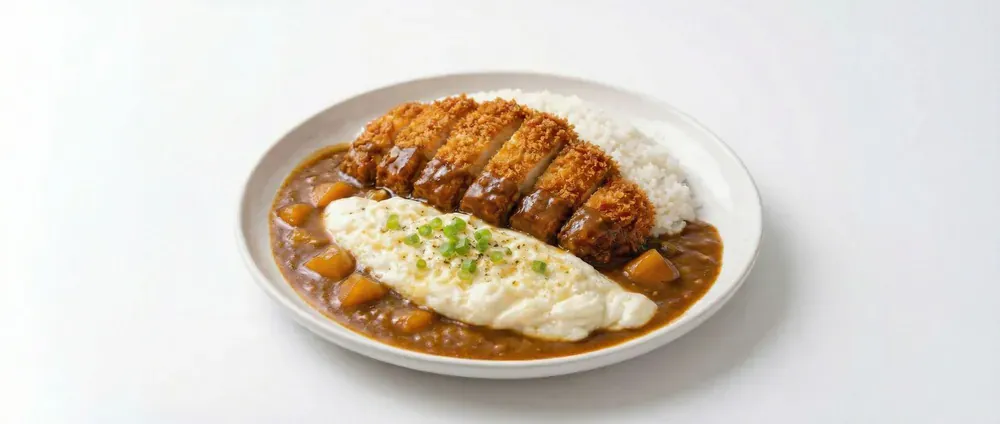
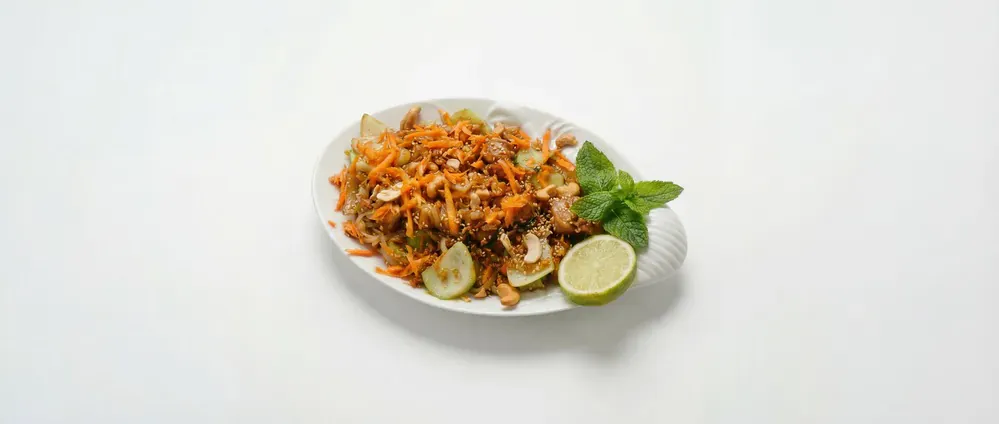
Le shoyu ramen est historiquement le premier style apparu a Tokyo, au debut du vingtieme siecle. Sa version repose sur un bouillon de volaille clair, parfume a la sauce soja naturellement brassee. Le resultat est un liquide limpide et ambre, dont la saveur saline est subtilement equilibree par des notes de dashi et de mirin. Rien ne se cache : chaque ingredient s'exprime avec nettete.
C'est le style de la finesse. Il convient particulierement a ceux qui preferent un plat plus leger, sans sacrifier la profondeur gustative. On l'accompagne de tranches de poulet, d'un oeuf marine, d'epinards blanchis, de nori et d'oignons verts. Sa clarte en fait aussi le meilleur point de depart pour decouvrir le ramen : le palais y lit facilement l'equilibre entre bouillon, nouilles et garnitures.
Ne vous fiez pas a son apparence sobre : un shoyu reussi demande autant de maitrise qu'un tonkotsu. Toute la difficulte est de construire un bouillon limpide mais profond, sale mais delicat. C'est un bol d'une elegance discrete, fidele a l'esprit de la cuisine de Tokyo — celui qu'on redecouvre avec plaisir apres avoir explore les styles plus riches.
Tonkotsu, miso, shoyu : le comparatif
Pour choisir vite, rien ne vaut une vue d'ensemble. Voici les trois grands styles resumes cote a cote, du plus delicat au plus riche, avec leur region d'origine et leur signature gustative. Reperez celui qui correspond a votre envie du jour, puis affinez avec les nouilles et les garnitures.
Tonkotsu
Bouillon d'os mijote jusqu'a devenir laiteux, opaque et cremeux. Le style le plus riche et le plus enveloppant, ne dans les echoppes de Hakata, au sud du Japon.
Riche · Cremeux · KyushuMiso
Bouillon corse enrichi de pate de soja fermentee, terreux et legerement sucre. Un style de Sapporo pense pour reconforter les hivers d'Hokkaido.
Corse · Terreux · HokkaidoShoyu
Bouillon clair parfume a la sauce soja naturellement brassee. Limpide, ambre et delicat, c'est le premier ramen apparu a Tokyo au debut du XXe siecle.
Delicat · Clair · TokyoVous hesitez encore entre ces trois familles ? Notre guide pour choisir son ramen detaille, critere par critere, comment trouver le bol qui vous ressemble.
Douze heures de patience au feu
Quel que soit le style, un bon ramen commence toujours par son bouillon. Chez Yoki Ramen, la preparation des fonds debute bien avant l'ouverture. Chaque matin, des os de poulet halal soigneusement selectionnes sont places dans nos marmites avec de l'eau fraiche, puis pendant les douze heures qui suivent, un processus lent transforme ces ingredients bruts en un liquide riche, charge de collagene et d'umami.
Cette duree n'est pas un argument marketing : c'est une necessite technique. Il faut du temps pour que le collagene se dissolve, pour que les graisses s'emulsifient, pour que les acides amines liberent cette saveur umami qui distingue un bouillon artisanal d'une soupe industrielle. Pour le tonkotsu, l'ebullition vive rend le liquide laiteux ; pour le shoyu, une chauffe plus douce preserve sa clarte ambre. Chaque style impose sa methode.
Nos bouillons de miso suivent une logique similaire, avec une base adaptee et une pate fermentee montee au dernier moment. Le bouillon vegetarien, lui, demande une longue infusion des champignons shiitake pour extraire toute leur saveur sans amertume. C'est cette exigence, commune aux trois styles, qui separe un ramen correct d'un ramen memorable.
Nouilles et garnitures qui signent le bol
Le bouillon donne le ton, mais ce sont les nouilles et les garnitures qui achevent la partition. Cote nouilles, la logique est simple : plus le bouillon est riche, plus la nouille gagne a etre fine et ferme. Les nouilles fines s'accordent au tonkotsu cremeux, qu'elles portent sans se gorger de liquide ; les nouilles plus epaisses et ondulees accrochent mieux un miso corse ; le shoyu clair s'accommode de nouilles fines et droites. Dans nos bols, cet accord est deja pense pour vous.
Cote garnitures, quelques classiques structurent chaque style. Le chashu, viande braisee lentement jusqu'a fondre en bouche, apporte du corps et de la generosite. L'ajitama, cet oeuf marine au coeur coulant, ajoute une touche sale-sucree et une texture soyeuse. Le nori grille signe des notes iodees, le menma (pousses de bambou fermentees) une note terreuse et croquante, les oignons verts un peps herbace.
Chaque style appelle ses accents : mais doux et beurre pour le miso, richesse du chashu pour le tonkotsu, epinards et poulet pour la clarte du shoyu. Le bon reflexe reste la sobriete — deux a trois garnitures bien choisies valent mieux qu'un bol encombre. Laissez le bouillon rester la vedette, et servez-vous des garnitures pour souligner sa personnalite.
Et une version vegetale ?
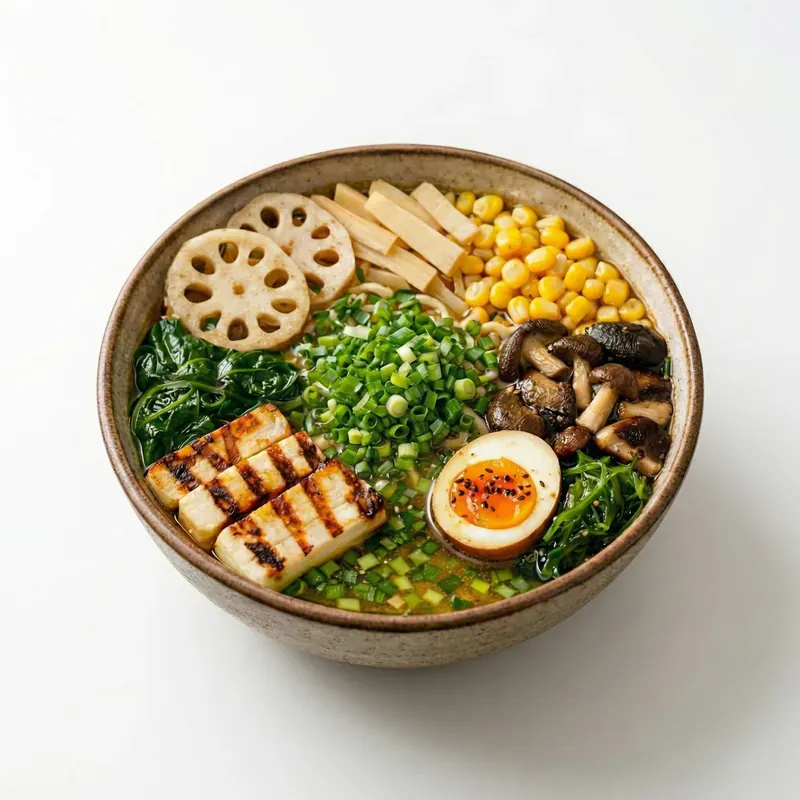
Tonkotsu, miso et shoyu ne resument pas tout l'univers du ramen. A cote de ces trois grands styles, le ramen vegetarien prouve qu'un bouillon peut atteindre une profondeur remarquable sans viande ni poisson. La base se construit a partir de kombu (algue seche), de champignons shiitake longuement infuses et de miso blanc — trois piliers de la cuisine vegetarienne japonaise, riches en umami naturel.
Chez Yoki Ramen, ce bol est garni de tofu fermier grille, de legumes de saison prepares al dente, de mais doux et de ciboulette. Pour une option vegane, il suffit de retirer l'oeuf marine : le reste conserve toute sa richesse. Loin d'etre une version « allegee » par defaut, c'est une interpretation a part entiere, pensee pour extraire la profondeur du regne vegetal.
Si vous doutez encore qu'un ramen sans viande puisse rivaliser avec un miso ou un shoyu, c'est le bol qui vous fera changer d'avis. Il partage d'ailleurs sa base miso avec l'un des trois grands styles, preuve que la frontiere entre tradition et cuisine vegetale est plus poreuse qu'on ne le croit.
A Melun
Choisir son bol chez Yoki Ramen a Melun
Au 31 Rue du General de Gaulle, a Melun, chaque style trouve sa place. Nos bouillons mijotent douze heures, nos tare sont montes separement, nos garnitures preparees sur place : vous disposez ainsi de tous les registres, du shoyu delicat au tonkotsu cremeux, en passant par le miso reconfortant et une belle option vegetarienne. Notre equipe se fera un plaisir de vous orienter selon votre envie du jour.
Envie d'aller plus loin ? Decouvrez l'ensemble de nos ramen authentiques, parcourez notre carte complete, ou completez votre repas avec nos gyoza et yakitori grilles.
FAQ
Questions frequentes sur le tonkotsu, le miso et le shoyu
Quelle est la difference entre tonkotsu, miso et shoyu ?+
Ces trois noms designent avant tout la maniere dont le bouillon est construit et assaisonne. Le tonkotsu est un bouillon d'os longuement mijote jusqu'a devenir laiteux, opaque et cremeux. Le miso est un bouillon corse enrichi de pate de soja fermentee, terreux et legerement sucre. Le shoyu est un bouillon clair parfume a la sauce soja, limpide et delicat. On va ainsi du plus leger (shoyu) au plus riche (tonkotsu), le miso occupant une place intermediaire et reconfortante.
Le tonkotsu est-il le ramen le plus fort en gout ?+
Le tonkotsu est le plus riche en texture et le plus enveloppant, grace au collagene libere par les os pendant de longues heures de cuisson. Mais « fort » ne veut pas dire « le plus assaisonne » : sa puissance vient de l'onctuosite du bouillon, pas du sel. Un miso bien monte peut sembler plus intense en bouche par ses notes fermentees, tandis qu'un shoyu joue sur la finesse. Tout depend de ce que l'on cherche : de la rondeur, de la profondeur ou de la clarte.
Quel style de ramen choisir quand on debute ?+
Pour un premier ramen, le shoyu est un excellent point de depart. Son bouillon clair et delicat laisse decouvrir l'equilibre du dashi, des nouilles et des garnitures sans saturer le palais. On peut ensuite explorer le miso, plus corse, puis le tonkotsu, plus riche. Cette progression du plus leger au plus dense permet d'affiner ses gouts bol apres bol.
Pourquoi le bouillon tonkotsu est-il blanc et cremeux ?+
Cette couleur laiteuse est le resultat d'une ebullition vive et prolongee. En mijotant douze heures, le collagene des os se dissout, les graisses s'emulsifient et se melangent a l'eau, ce qui rend le liquide opaque et onctueux. Ce n'est ni de la creme ni du lait : uniquement des os, de l'eau et du temps. C'est cette emulsion naturelle qui donne au tonkotsu sa signature veloutee.
Le miso ramen contient-il du poisson ?+
Pas necessairement. Le miso ramen tire son caractere de la pate de soja fermentee, montee sur une base de bouillon qui peut etre de volaille, de legumes ou de dashi. Chez Yoki Ramen, notre miso repose sur un bouillon de poulet halal et une pate miso blanche fermentee de maniere artisanale. Il existe aussi des versions entierement vegetales du miso ramen, construites sur un dashi de kombu et de shiitake.
Peut-on manger un ramen authentique sans viande ni poisson ?+
Oui. Le ramen vegetarien construit son bouillon a partir de kombu (algue seche), de champignons shiitake longuement infuses et de miso blanc. Ces ingredients produisent un umami naturel et profond, comparable a celui des bouillons carnes. Garni de tofu grille, de legumes de saison et de mais doux, il devient meme vegan si l'on retire l'oeuf marine.
Quelles nouilles accompagnent chaque style de bouillon ?+
La regle est simple : plus le bouillon est riche, plus la nouille gagne a etre fine et ferme. Les nouilles fines s'accordent au tonkotsu cremeux, qu'elles portent sans se gorger de liquide. Les nouilles plus epaisses et ondulees conviennent aux bouillons corses de type miso, qu'elles accrochent davantage. Le shoyu, plus clair, s'accommode de nouilles fines et droites. Dans la plupart des maisons, cet accord est deja pense pour vous.
Pour aller plus loin
Pret a passer de la theorie a la degustation ? Explorez nos bols mijotes chaque jour a Melun et prolongez la lecture avec nos autres guides.