
La philosophie washoku, un art de l’équilibre
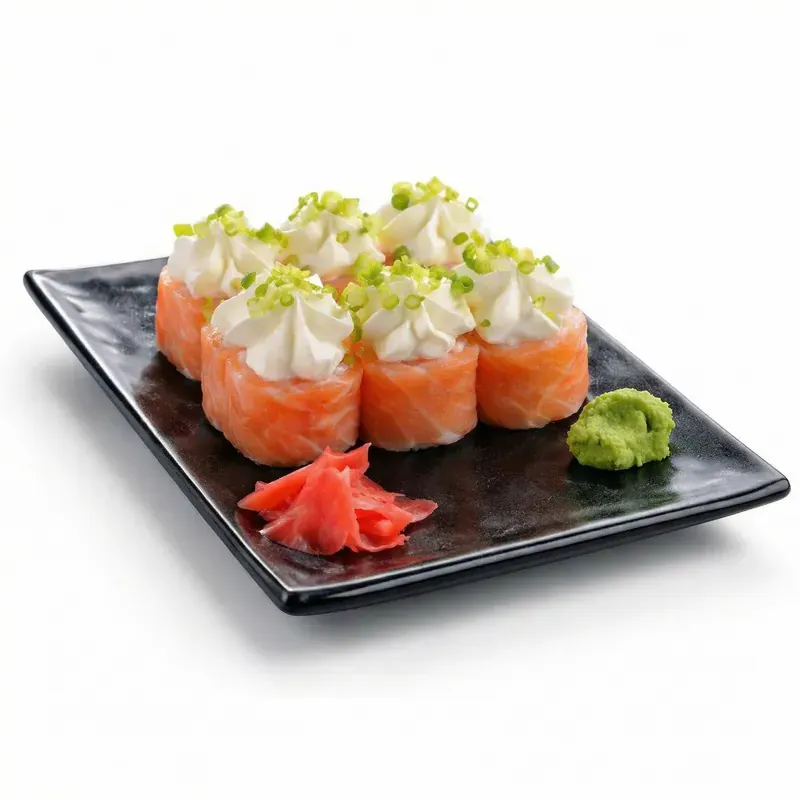
La cuisine japonaise, ou washoku, est inscrite au patrimoine culturel immatériel de l’humanité par l’UNESCO. Derrière cette reconnaissance se cache une philosophie exigeante : respecter le produit, souligner sa saveur naturelle plutôt que la masquer, et rechercher un équilibre parfait entre les goûts, les textures et les couleurs. On parle souvent de la règle des cinq : cinq saveurs (sucré, salé, acide, amer, umami), cinq couleurs et cinq modes de cuisson, réunis pour composer un repas complet et harmonieux.
Cette approche donne une cuisine d’apparence simple mais d’une grande précision technique. Un bol de riz vinaigré, une tranche de poisson cru, un bouillon limpide : rien n’est laissé au hasard. La saisonnalité guide les cartes, la présentation compte autant que le goût, et le geste du cuisinier — celui qui roule un maki ou dresse un ramen — porte des années d’apprentissage. C’est cette exigence que Yoki Ramen s’efforce de faire vivre chaque jour dans son restaurant en centre-ville de Melun.
Dans cet article, nous vous emmenons à la découverte des grandes familles de plats qui composent la cuisine japonaise contemporaine, telle qu’on la savoure aujourd’hui en France : du ramen aux sushi, du poke bowl au curry, jusqu’aux desserts. Vous y trouverez des repères concrets pour comprendre ce que vous mangez et pour mieux choisir votre prochaine commande.
Le ramen, âme réconfortante de la cuisine japonaise
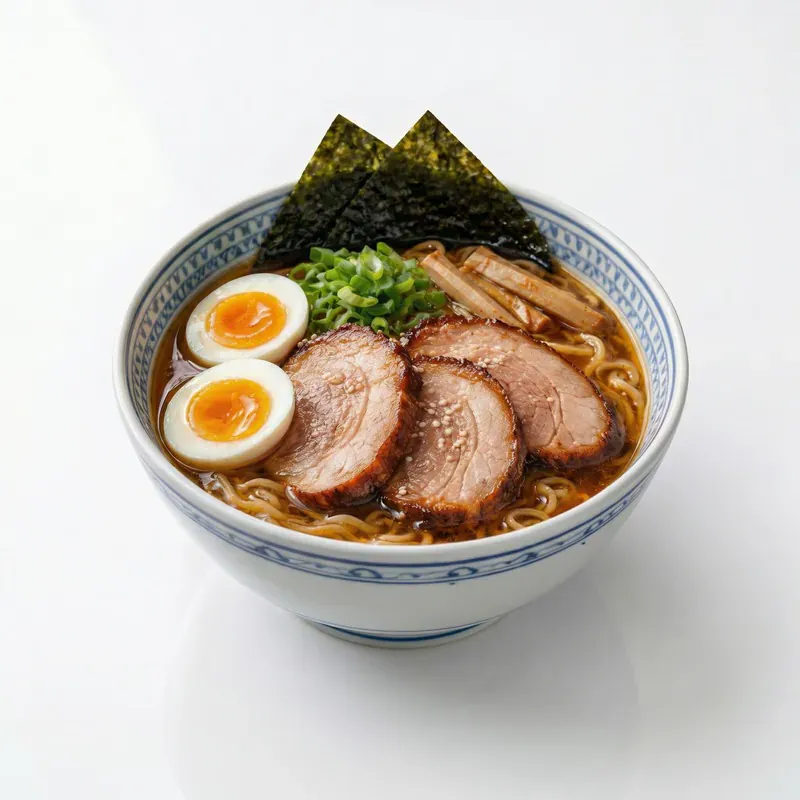
Le ramen est sans doute le plat japonais le plus populaire hors du Japon, et le cœur battant de notre cuisine. Tout commence par le bouillon, préparé la veille à partir d’os de poulet, de légumes, d’algues kombu et de flocons de bonite. Ce mélange mijote à feu doux pendant douze heures, libérant progressivement collagène, acides aminés et cette profondeur de goût impossible à obtenir autrement.
Quatre grands styles structurent la famille des ramen. Le tonkotsu offre un bouillon blanc et crémeux, garni de chashu braisé et d’un œuf mariné au soja. Le miso apporte une richesse terreuse et légèrement sucrée ; le shoyu, plus délicat, repose sur un bouillon clair parfumé à la sauce soja ; le shio mise sur la finesse d’un assaisonnement au sel.
Les végétariens ne sont pas oubliés grâce à un bouillon de champignons shiitake, de kombu et de légumes racines, complété de tofu grillé et de pak choi. Pour approfondir, lisez notre guide tonkotsu, miso et shoyu ou découvrez directement nos ramen artisanaux.
Sushi, maki et l'art du poisson cru
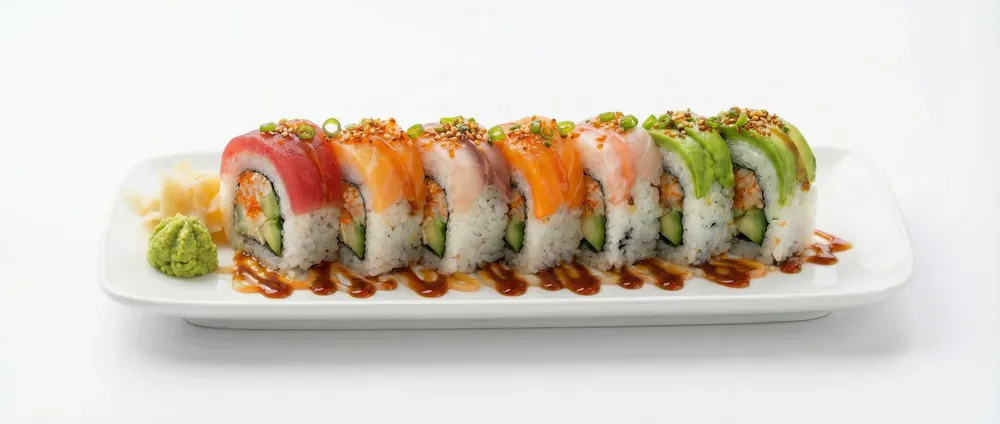
Les sushi et maki incarnent la précision de la cuisine japonaise. Le riz, assaisonné d’un vinaigre de riz doux, d’une touche de sucre et d’une pincée de sel, est refroidi à l’éventail pour obtenir cette texture à la fois collante et aérée qui distingue un bon sushi. Le poisson — saumon, thon, crevette, anguille — doit être d’une fraîcheur irréprochable, découpé au couteau selon un angle précis.
Les nigiri associent une lamelle de poisson à une bouchée de riz pressé. Les maki classiques enroulent le riz dans une feuille de nori, tandis que les california rolls, roulés à l’envers avec le riz à l’extérieur, se parent de cream cheese, d’avocat ou de saumon et d’un voile de sésame torréfié.
On les déguste à l’unité, en plateaux à partager ou en assortiments mixtes. Retrouvez le détail sur la page nos sushi et maki. Les gourmands du sud de la Seine-et-Marne récupèrent leurs plateaux en click and collect à Fontainebleau.
Poke bowls : la fraîcheur healthy venue du Pacifique
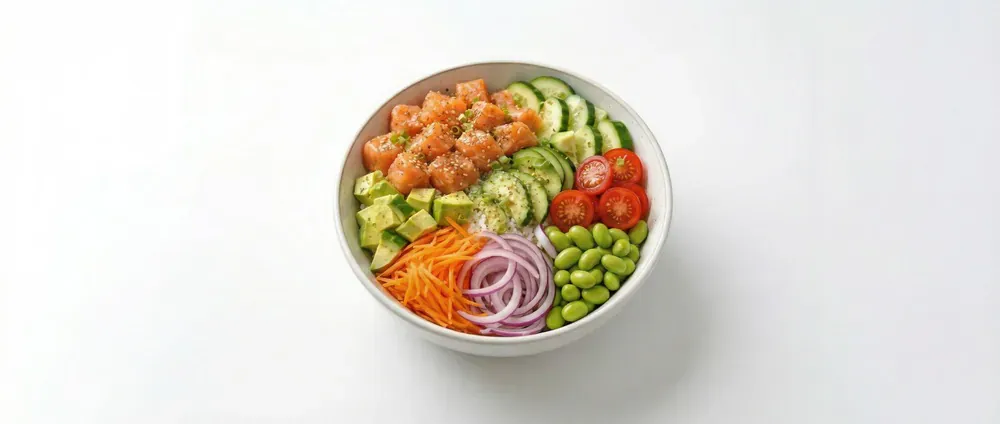
Inspiré de la cuisine hawaïenne mais profondément marqué par les saveurs japonaises, le poke bowl a conquis les amateurs de cuisine fraîche et équilibrée. Sur une base de riz vinaigré ou de riz complet, on dispose une protéine au choix — saumon cru, thon cru, poulet grillé ou tofu mariné — puis une sélection généreuse de toppings.
Avocat crémeux, edamame, mangue, concombre croquant, carotte râpée, chou rouge, graines de sésame : chaque bol est un jeu de textures et de couleurs, arrosé d’une sauce ponzu ou d’une sauce sésame maison. Le poke saumon reste le grand classique, tandis que la version végétale au tofu mariné au gingembre séduit ceux qui recherchent un repas complet sans protéine animale.
Riche en oméga-3, en fibres et en légumes de saison, le poke bowl est un allié idéal du déjeuner. Nous détaillons ses bienfaits et quelques recettes ; vous pouvez aussi composer directement votre poke bowl.
Gyoza, yakitori et tempura : les entrées gourmandes
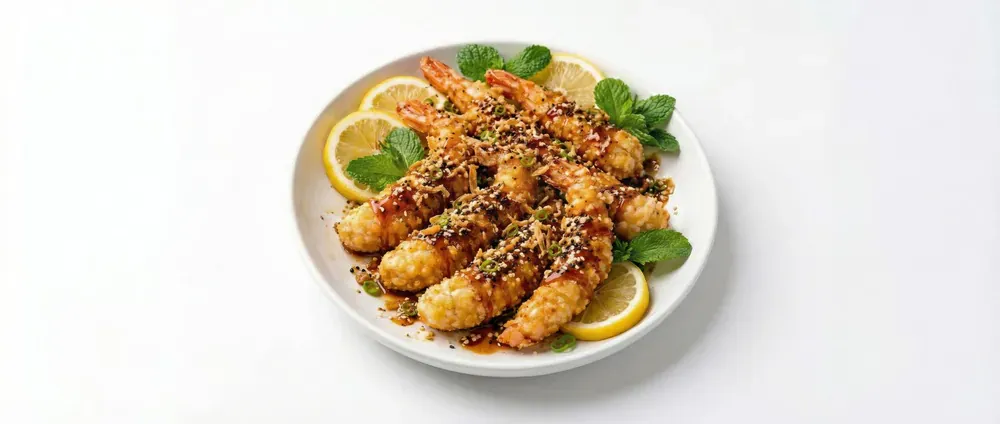
Avant le plat principal, les entrées japonaises ouvrent l’appétit et préparent le palais. Les gyoza, ces raviolis grillés d’un côté puis cuits à la vapeur, offrent un contraste irrésistible entre le fond croustillant et l’intérieur tendre. On les sert avec une sauce soja-vinaigre relevée de quelques gouttes d’huile de sésame.
Les yakitori, brochettes grillées et laquées d’une sauce tare caramélisée, constituent un autre pilier de la cuisine japonaise conviviale. Poulet, bœuf ou boulettes tsukune : chaque brochette se déguste à la main, entre amis. Les edamame, fèves de soja servies chaudes au sel de mer, font un en-cas léger et protéiné parfait pour patienter.
Enfin, la tempura — crevettes et légumes enrobés d’une pâte légère et frits à haute température — reste étonnamment croustillante et jamais grasse. Découvrez l’ensemble sur la page nos gyoza et yakitori.
Le curry japonais, réconfort épicé et fait maison
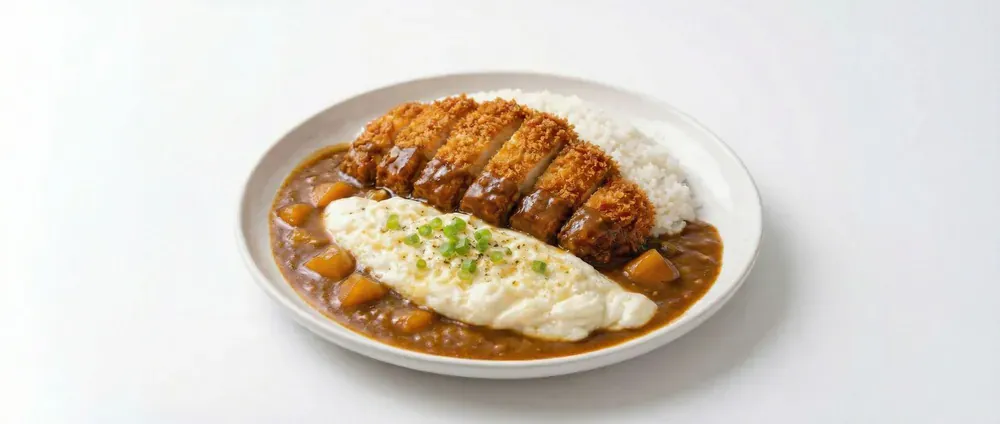
Le curry japonais, ou kare, est arrivé au Japon à la fin du XIXe siècle et s’est imposé comme un véritable plat national. Plus doux et plus épais que ses cousins indien ou thaïlandais, il se distingue par un roux onctueux préparé à partir d’épices torréfiées, de farine et de matière grasse, mijoté longuement avec des légumes fondants.
Servi sur un lit de riz nature, il s’accompagne volontiers d’un tonkatsu — escalope panée croustillante — ou de crevettes frites, parfois couronné d’une omelette moelleuse. Le résultat est un plat généreux, réconfortant et parfait pour les jours de grand appétit, aux saveurs douces qui plaisent aussi aux palais les plus prudents.
Chez Yoki Ramen, ce curry est préparé maison à partir d’un roux artisanal. Retrouvez-le sur la page dédiée à notre curry japonais fait maison.
Mochi, dorayaki et douceurs à la japonaise
Un repas japonais ne serait pas complet sans une touche sucrée. Le mochi glacé, fabriqué à partir de riz gluant pilonné et fourré d’une glace onctueuse, offre une texture unique, à la fois élastique et fondante. Matcha, mangue, sésame noir, fraise ou chocolat : ses parfums varient au fil des envies.
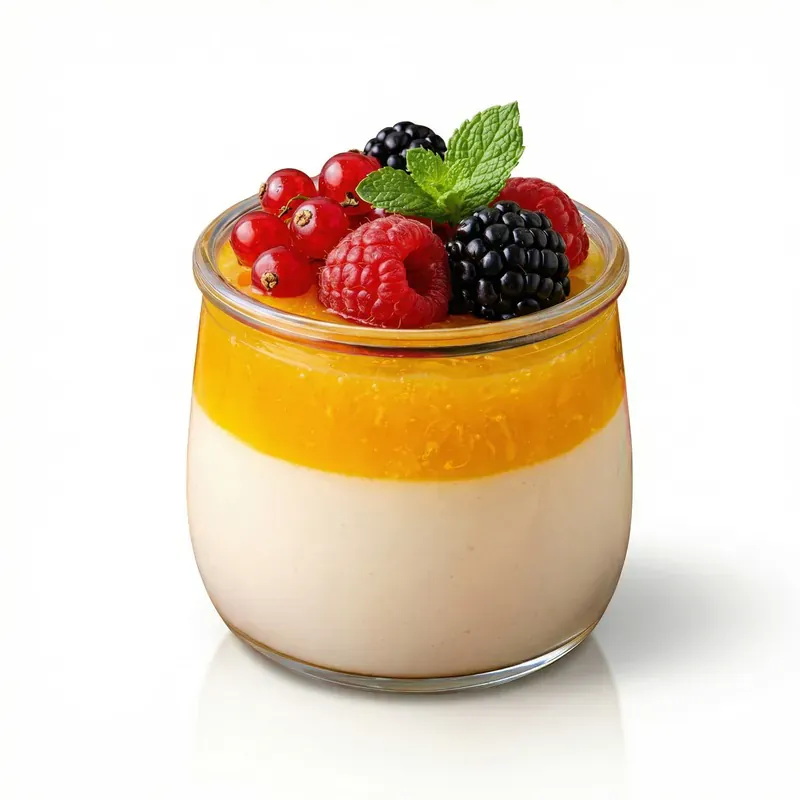
Le dorayaki, deux petits pancakes moelleux garnis de pâte de haricot rouge sucrée, incarne la pâtisserie japonaise traditionnelle. Les desserts contemporains, plus légers, jouent la carte de la fraîcheur avec des verrines crémeuses et des coulis de fruits.
Ces douceurs, moins sucrées que les desserts occidentaux, prolongent la philosophie d’équilibre du washoku jusqu’à la dernière bouchée, sans jamais alourdir le repas.
旨味 Umami
Umami et dashi : le secret des saveurs japonaises
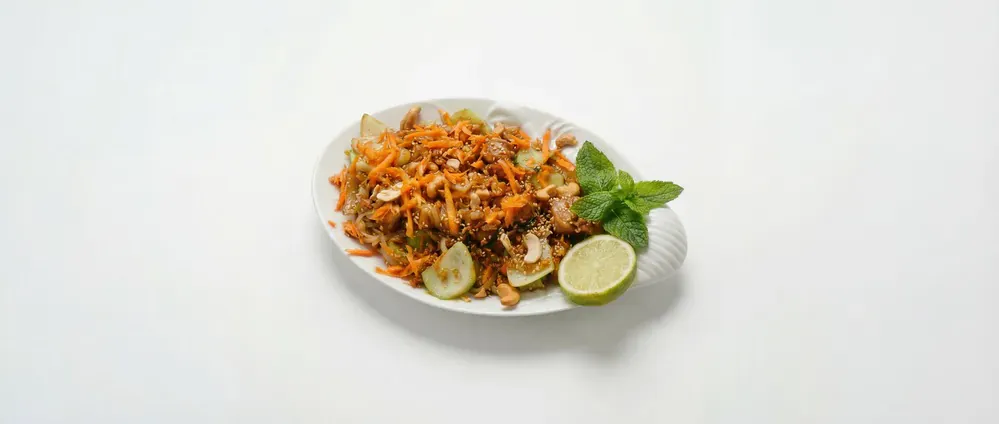
L’umami est la cinquième saveur, aux côtés du sucré, du salé, de l’acide et de l’amer. Identifiée par le chercheur japonais Kikunae Ikeda au début du XXe siècle, elle correspond à ce goût profond et savoureux qui donne de la longueur en bouche. On la retrouve dans l’algue kombu, les flocons de bonite, la sauce soja, le miso et les champignons shiitake.
Le dashi, bouillon de base préparé à partir de kombu et de bonite, en est la meilleure expression : il sert de fondation à d’innombrables plats, des soupes miso aux bouillons de ramen. Comprendre l’umami, c’est comprendre pourquoi la cuisine japonaise procure une telle sensation de satisfaction, même avec des ingrédients simples et peu de matière grasse.
Produits frais et fait maison : notre exigence
Une cuisine japonaise réussie tient d’abord à la qualité de ses produits et au refus des raccourcis industriels. Voici les trois engagements qui guident chaque assiette servie chez Yoki Ramen.
Fraîcheur du marché
Poissons livrés plusieurs fois par semaine, légumes de saison et nouilles préparées chaque jour. Aucune surgélation subie, jamais de préparation industrielle.
Geste artisanal
Bouillons mijotés douze heures, sushi et maki roulés à la main à la minute, roux de curry préparé sur place à partir d’épices torréfiées.
Équilibre washoku
Chaque plat cherche l’harmonie des cinq saveurs et des textures, dans le respect de la tradition tout en s’adaptant aux produits locaux.
Déguster la cuisine japonaise à Melun
Savourer la cuisine japonaise, c’est prendre le temps. On commence volontiers par une gorgée de bouillon ou une bouchée de nigiri pour apprécier le produit brut, avant de laisser les saveurs se répondre. Les nouilles de ramen se dégustent vite, tant qu’elles sont fermes ; les sushi se mangent en une bouchée, côté poisson posé sur la langue.
À Melun et dans toute la Seine-et-Marne, Yoki Ramen vous accueille sur place, prépare vos commandes à emporter et assure la livraison à Melun et alentours. Parcourez notre carte de cuisine japonaise pour composer votre repas, du ramen fumant au poke bowl frais.
FAQ
Questions fréquentes sur la cuisine japonaise
Quels sont les plats les plus emblématiques de la cuisine japonaise ?
Les plats les plus représentatifs sont le ramen (nouilles en bouillon), les sushi et maki, les poke bowls, les gyoza, les yakitori, la tempura et le curry japonais. Chacun repose sur des ingrédients frais et un équilibre des saveurs propre à la tradition culinaire nippone.
Qu'est-ce que l'umami dans la cuisine japonaise ?
L'umami est la cinquième saveur, après le sucré, le salé, l'acide et l'amer. C'est un goût savoureux et profond apporté par des ingrédients comme l'algue kombu, les flocons de bonite, la sauce soja, le miso et les champignons shiitake. Le dashi, bouillon de base japonais, en est la meilleure expression.
La cuisine japonaise est-elle adaptée aux végétariens ?
Oui. De nombreux plats se déclinent en versions végétariennes : ramen au bouillon de champignons et de kombu, poke bowl au tofu mariné, gyoza aux légumes, tempura de légumes ou maki au concombre et à l'avocat. Le tofu, les edamame et les algues offrent de belles sources de protéines végétales.
Quelle est la différence entre un maki et un california roll ?
Le maki classique est roulé avec l'algue nori à l'extérieur et le riz à l'intérieur. Le california roll est un uramaki, roulé à l'envers : le riz se trouve à l'extérieur et l'algue à l'intérieur, souvent garni d'avocat, de surimi ou de saumon et saupoudré de graines de sésame torréfié.
Combien de temps faut-il pour préparer un bouillon de ramen authentique ?
Un bouillon de ramen demande entre huit et vingt heures de cuisson selon le style. Chez Yoki Ramen, à Melun, nos bouillons mijotent pendant douze heures pour extraire le collagène et les arômes des os, ce qui leur donne une texture soyeuse et une profondeur de goût impossible à obtenir avec de la poudre.
Où déguster une vraie cuisine japonaise à Melun ?
Chez Yoki Ramen, en centre-ville de Melun (77000). Tout est cuisiné sur place, à la commande, à partir de produits frais : ramen, sushi et maki roulés à la main, poke bowls, gyoza, yakitori, tempura et curry japonais. La carte est disponible sur place, à emporter et en livraison.